
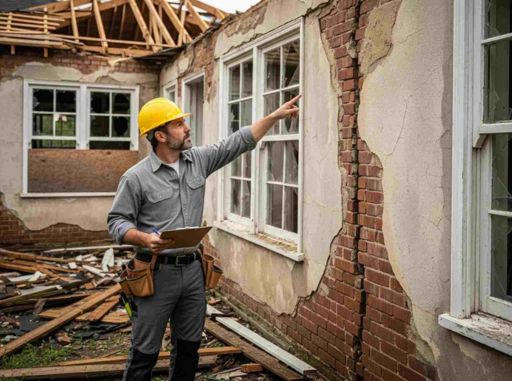
In the competitive world of construction, general contractors often lose out on projects due to underestimated costs or overlooked details. Margins are tight, competition is fierce, and the slightest mistake in an estimate can mean the difference between winning a job or letting it slip away. An accurate, well-prepared estimate isn’t just a figure; it’s the foundation of a contractor’s reputation and strategy in securing projects.
The secret to bidding success is simple: precision in estimating.
Why Precision Matters in Estimating
Consider a property owner or insurance carrier’s perspective. After a disaster, they need fast, reliable answers. They don’t want vague numbers or unexpected surprises down the road, they want a clear, actionable plan to get their property back in shape. An estimate that is fast and loose risks undermining trust and eroding profit when unforeseen costs inevitably arise. By contrast, estimates that are rooted in facts, detailed documentation, and real-world costs solve these issues upfront.
What this really means is: when an estimate is clear and thorough, professionalism shines through. Trust is built, and pushback from both clients and adjusters is minimized.
Finding and Documenting Hidden Damage
Not all damage is immediately visible. Water trapped in walls, structural shifts, or hidden issues behind ceilings can throw off a bid if not correctly documented. The best contractors don’t just look; they document every detail and use advanced technology to uncover hidden damage that may not be apparent at first glance.
Skipping the detailed work in favor of speed might seem tempting, but it only leads to headaches later. Insurance adjusters may push back on the scope of work, which could delay approvals. Catching hidden damage early means the bid will be more accurate, and contractors can confidently include everything in the estimate—leaving no room for surprises.
Speaking the Insurance Language
A thorough estimate might be prepared, but if it’s presented in an unstructured format, like a PDF, it risks delays and confusion. The more time spent going back and forth with insurance adjusters, the more time competitors have to swoop in.
That’s where outsourcing the heavy lifting to experts like United Estimating can help. Converting claim documents from PDFs into carrier-ready ESX files is a fast, routine task at United Estimating. This quick turnaround allows the estimate to be reviewed by the adjuster with minimal friction, increasing the likelihood of approval and speeding up the entire process.
Local Labor and Material Costs Matter
Construction in Miami isn’t priced the same as in Des Moines. National averages might serve as a baseline, but if the estimate doesn’t account for local labor and material costs, contractors risk undercutting themselves or pricing themselves out of a project. That’s why a precise estimate must reflect the current, local rates that directly impact the bottom line.
By relying on local data, contractors show clients and insurers that the estimate is rooted in actual costs. There’s no room for surprise when the real bills come in. Estimates based on local labor and material rates are a sign of professionalism and accuracy—key factors in winning bids.
Compliance and Code Upgrades
It’s a common rookie mistake: failing to factor in code compliance and necessary upgrades during the estimating process. Staying up to date on local ordinances and including required code upgrades in the estimate ensures the job is done right and prevents unnecessary revisions later on.
By including compliance details in the initial estimate, contractors minimize the risk of pushback. Adjusters and property owners will see that the contractor has done their due diligence, which increases the chances of the estimate being approved without further questions.
Packaging Evidence, Not Just Numbers
A good estimate isn’t just a spreadsheet filled with figures, it’s a comprehensive package of evidence. This includes annotated photos, repair logic, lists of damaged items, scans, and other supporting documentation that backs up each line item in the estimate.
When everything is presented in a system-ready format, insurance adjusters and clients can quickly review the estimate with all the necessary documentation in one place. This not only speeds up the approval process but also ensures everyone is on the same page from the start.
Real-World Speed: Why Turnaround Matters
Every contractor knows the importance of speed in the bidding process. After a disaster, every day the property sits idle means more potential for damage or missed opportunities. The faster an estimate can be turned around and delivered to the insurance company, the better. Quick, accurate estimates like those with a 24-hour turnaround from United Estimating, demonstrate that the contractor is serious and prepared to act.
It’s not just about speed, though. Speed must go hand in hand with accuracy. A high-quality, ready-to-review estimate ensures that the process moves forward smoothly, without delays or mistakes.
The United Estimating Approach
This is where outsourcing to United Estimating makes a tangible difference. The team handles the heavy lifting by providing:
- Fast conversion of raw claim documents into insurer-ready files
- Precise, detailed breakdowns that meet carrier requirements
- Current, local labor and material rates tailored to each project
- Up-to-date code compliance, ensuring the estimate is complete and accurate
- A complete package of supporting evidence for quick and easy reviews
This approach doesn’t just save time; it dramatically increases a contractor’s chances of securing the job. Real-world examples show that contractors who have relied on United Estimating for detailed, code-compliant repair estimates have seen their win rate increase by 30-50%. What once might have been a vague scope of work has turned into a profitable, successful project.
Takeaway: Don’t Leave a Bid to Chance
In today’s competitive bidding landscape, winning more bids isn’t about undercutting the competition or simply putting in more hours. It’s about sending an estimate that demonstrates an understanding of the job, anticipating every complication, and presenting an accurate, complete plan for the project.
So, next time a challenging insurance claim or tough project comes up, ask: Is the estimate “good enough,” or is it precise, thorough, and ready to stand out?
When an estimate is exact and comprehensive, it’s more than just a bid, it’s a winning strategy.